
Excavation, settlement and adjacent structures
Construction & Tunnelling
Track settlement and deformation before they affect construction and tunnelling projects.
The problem
Tunnelling and deep excavation move the ground around them. Third-party damage claims turn on what happened, when — and that record usually does not exist until a dispute begins.
How we approach it
Continuous measurement across the works and the surrounding buildings, from before ground is broken through to completion, producing an independent record of what moved and by how much.
What you get
- Pre-construction baseline across the affected area
- Building-level settlement for adjacent structures
- Independent evidence for third-party claims
- Coverage well beyond the instrumented zone
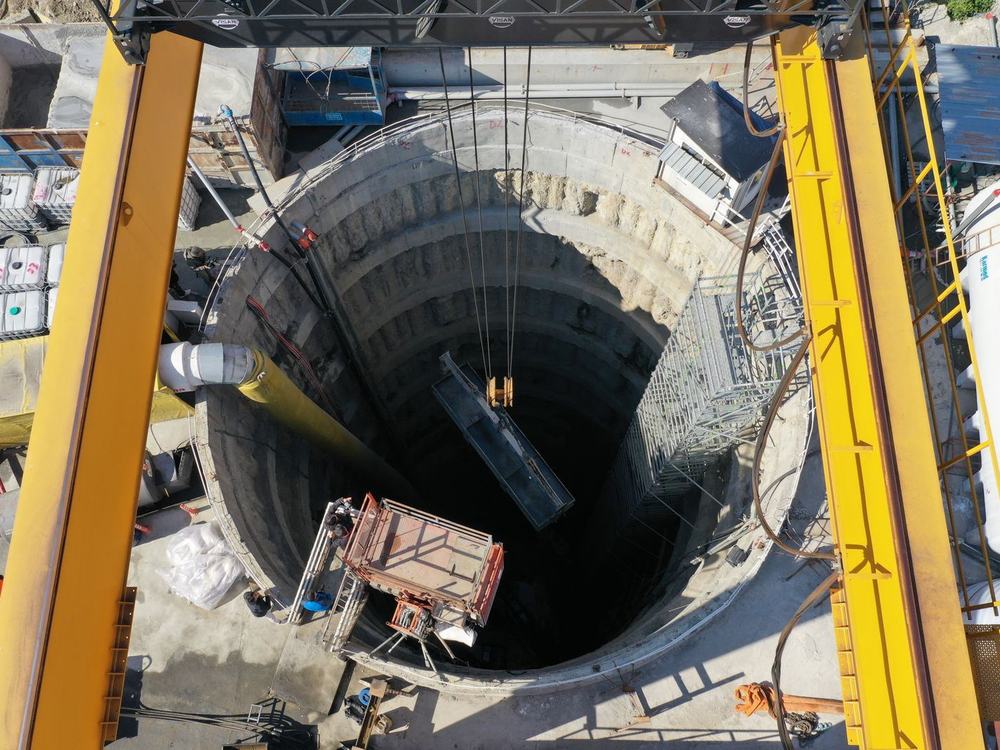
01
Reconstruct the baseline
Years of archive radar are processed before anything new is captured, so the first delivery already shows how the ground has behaved rather than only where it stands today.
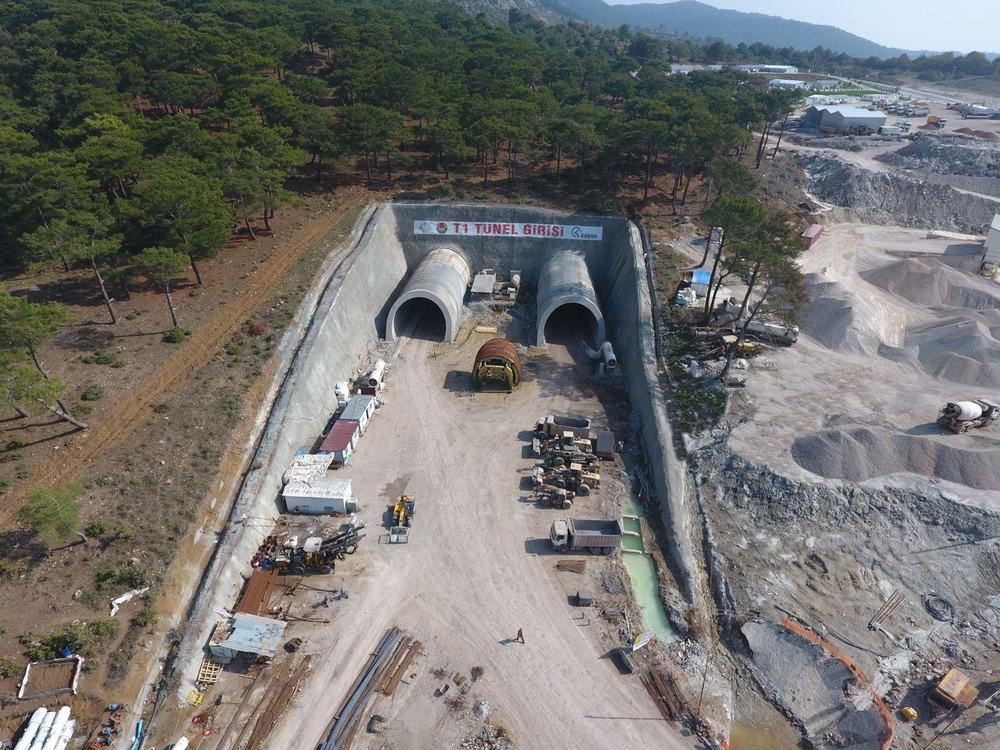
02
Measure every pass
Each new acquisition is processed against the same reference, giving a continuous displacement history for every stable reflector across the asset and its surroundings.
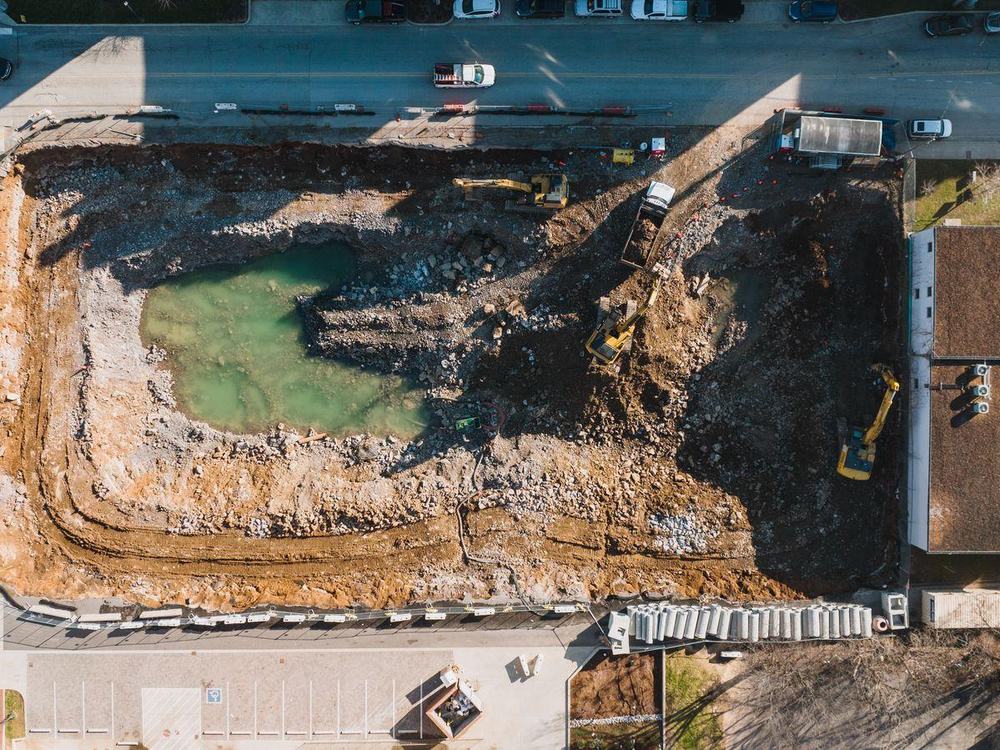
03
Separate signal from season
Seasonal swelling and shrinkage is isolated from persistent movement, so a rate that warrants attention is not confused with ground that returns to where it started.
04
Rank and report
Structures are ranked by measured rate against thresholds you set, with the displacement history behind every flag available as evidence.